What Makes Dashi Broth the Soul of Japanese Cuisine
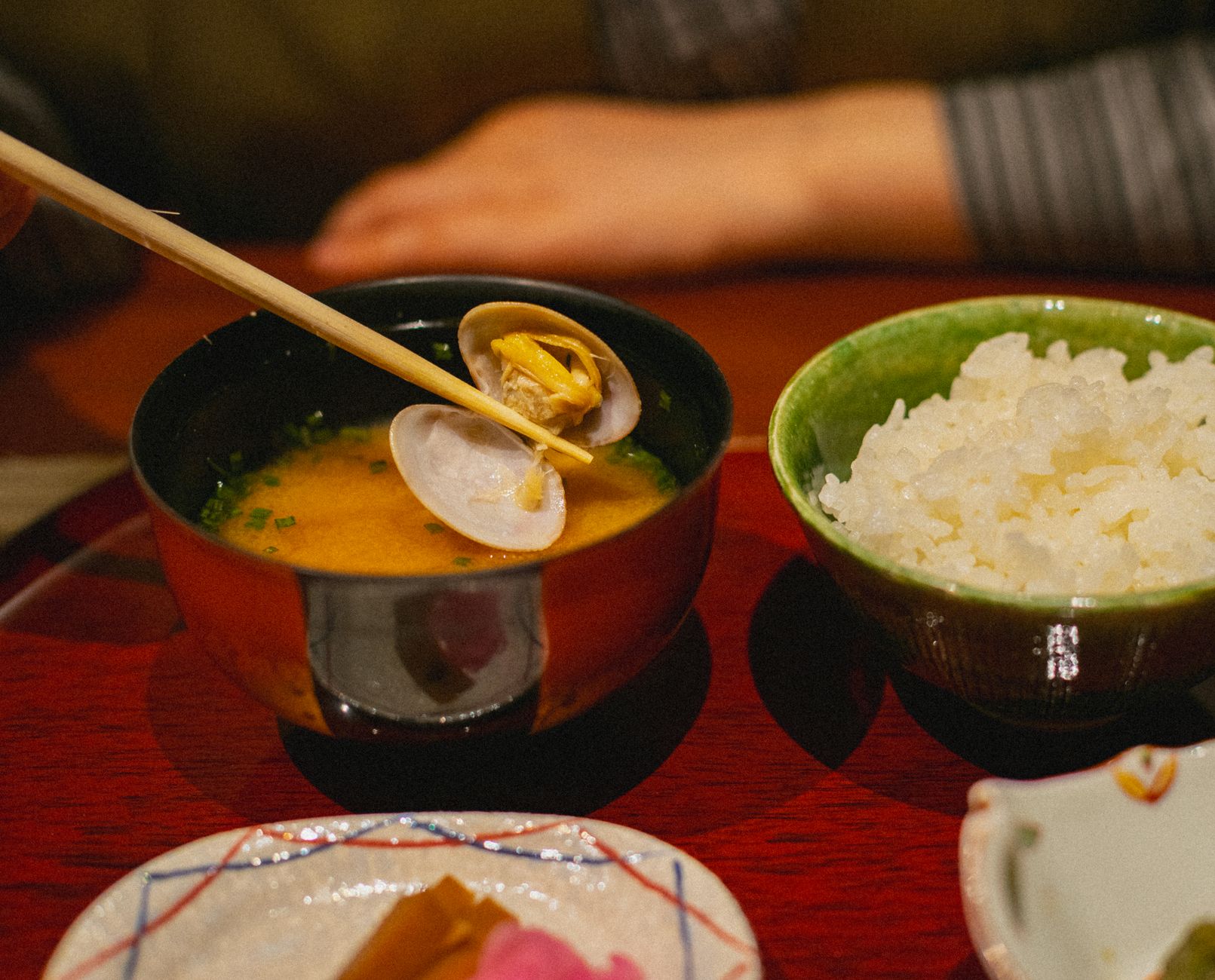
The difference between dashi and Western stock? Time.
A French chef might simmer bones for eight hours. A Japanese cook steeps kombu and katsuobushi for eight minutes. Both are building umami, but the philosophies couldn't be more different. Dashi isn't about extraction—it's about precision. You heat water to just below boiling, add dried kelp, let it steep quietly, then remove it before bitterness creeps in. Bonito flakes go in next, swirl once through the hot water like snow, then get strained immediately. The result is clean, transparent, almost austere—a broth that doesn't announce itself but makes everything around it taste more like itself.
This restraint is intentional. Dashi is designed to enhance, not dominate. It's the invisible foundation under miso soup, the whisper beneath simmered vegetables, the reason a bowl of udon tastes round and complete. Western stocks often aim for richness, body, a sauce that coats the spoon. Dashi aims for clarity. It's the culinary equivalent of negative space in a ink painting—what you leave out matters as much as what you put in.
The ingredients themselves tell the story: kombu from cold northern seas, katsuobushi smoked and aged like fine cheese, sometimes dried shiitake or niboshi for variation. All of them are preserved, concentrated, patient. They've waited months or years to become what they are. Then, in minutes, they give everything they have to the water and step aside.
That's the lesson dashi teaches. Flavor doesn't always need force. Sometimes the most profound taste is the one you almost don't notice—until it's gone.
The Philosophy Behind Dashi: Simplicity and Umami
- Dashi relies on two or three ingredients (kombu seaweed, katsuobushi bonito flakes, sometimes shiitake or niboshi) to create deep, layered flavor
- Unlike Western stocks that simmer for hours, dashi is made quickly—often in 10-15 minutes—to preserve delicate umami compounds
- The concept of 'umami' (savory taste) was first identified by Japanese chemist Kikunae Ikeda in 1908 while studying kombu dashi
- Dashi embodies the Japanese aesthetic principle of 'hikizan'—achieving richness through subtraction, not addition
Core Ingredients That Define Japanese Stock
- Kombu (kelp): Harvested from cold northern waters, dried for months, releases glutamates that create oceanic umami depth
- Katsuobushi (dried bonito flakes): Skipjack tuna fermented, smoked, and shaved paper-thin; contributes inosinic acid and smoky complexity
- Regional variations: Kansai (western Japan) favors lighter kombu-forward dashi; Tokyo (eastern) prefers stronger katsuobushi presence
- Vegetarian dashi alternatives use shiitake mushrooms (guanylic acid) or kombu alone for Buddhist shojin ryori cuisine
How Dashi Shapes Japanese Cooking and Culture
- Foundation for miso soup, clear suimono soups, nimono simmered dishes, noodle broths, chawanmushi egg custard, and rice dishes
- Home cooks traditionally make fresh dashi daily; the morning ritual of preparing it connects families to seasonal rhythms
- Professional chefs distinguish between ichiban dashi (first, delicate extraction) and niban dashi (second, for heartier dishes)
- Instant dashi granules (dashi no moto) became popular post-WWII, but traditional methods are experiencing a cultural revival among younger generations
FAQ
Explore the crafts we feature →