The Art of Japanese Fermentation: How Ancient Microbes Shape a Culinary Tradition
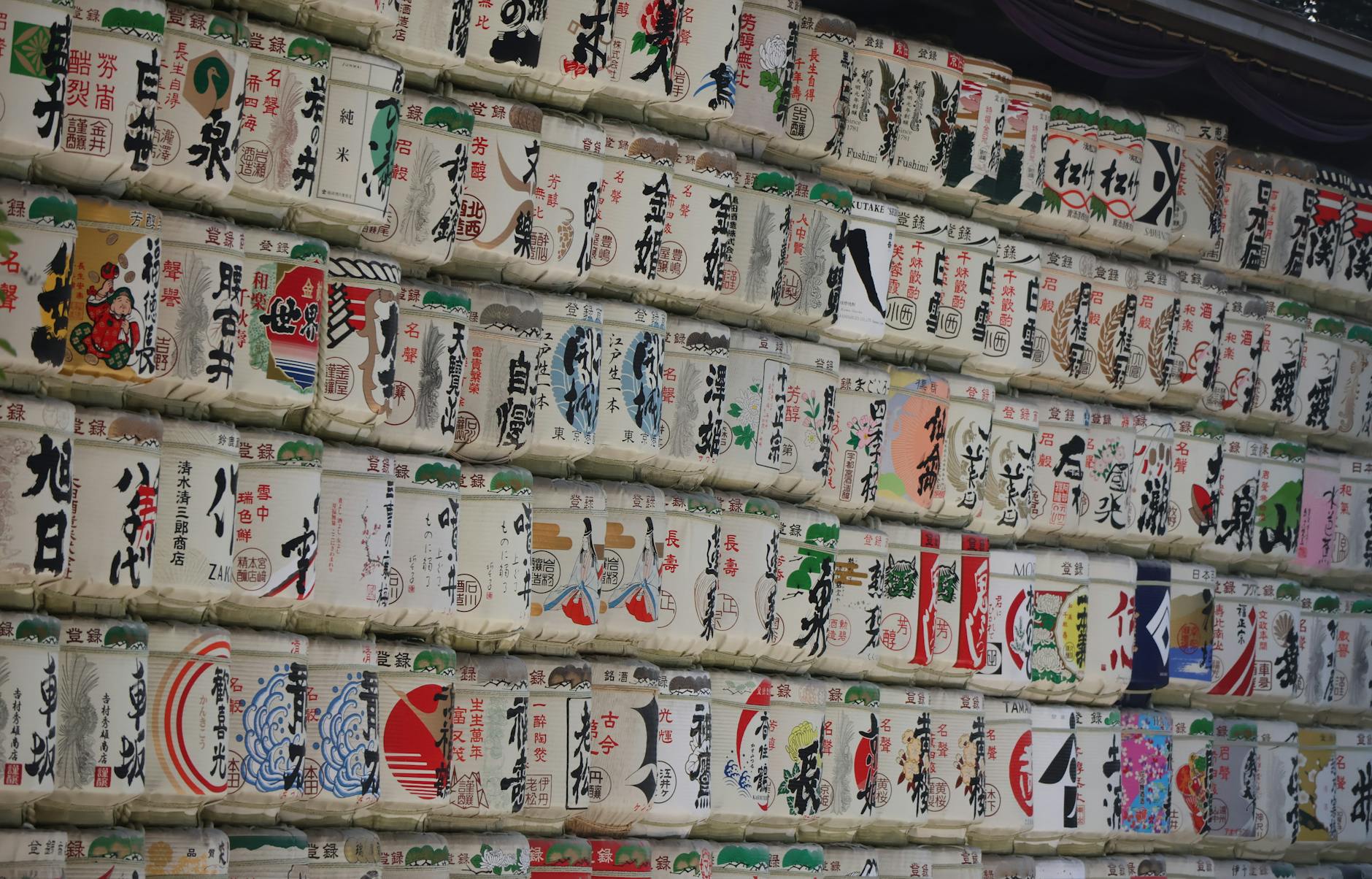
In Japanese kitchens, time is an ingredient.
Walk into any home in rural Japan and you'll find jars lined up on shelves — miso darkening slowly, rice bran softening vegetables, koji spores blooming like snow on steamed grains. These aren't pantry staples waiting to be used. They're alive, transforming.
Fermentation in Japan isn't a cooking technique. It's a philosophy of patience. For over a thousand years, Japanese cooks have understood that certain flavors can't be rushed. Soy sauce takes months. Good miso, sometimes years. Nukazuke pickles need daily attention, the rice bran bed turned by hand like tending a garden.
The magic worker in most of this? Koji-kin — *Aspergillus oryzae* — a mold so precious it's been named a national microorganism. It breaks down rice, barley, and soybeans, unlocking umami that didn't exist before. It's the invisible hand behind soy sauce, miso, sake, mirin, and amazake.
But fermentation does more than create flavor. It preserved food before refrigeration existed. It made nutrition more accessible — fermenting soybeans makes their protein easier to digest. And it connected generations. A mother's miso recipe, her particular balance of salt and time, becomes a flavor memory passed down.
Today, as the world rediscovers fermented foods for gut health and sustainability, Japan has centuries of quiet mastery to share. Not as trend, but as tradition. The understanding that the best things — in food and in life — often need time, care, and a willingness to let transformation happen in the dark.
What ferments in stillness, nourishes in time.
What Makes Japanese Fermentation Unique?
- The role of koji (Aspergillus oryzae) as Japan's 'national mold' and fermentation catalyst
- Climate and geography: how humidity and rice cultivation shaped fermentation culture
- The philosophy of patience—fermentation as a slow craft aligned with seasonality
- Distinction from other fermentation traditions (Korean, Chinese, European)
Essential Fermented Foods in Japan and Their Cultural Significance
- Miso: regional varieties, production methods, and its role in daily meals and rituals
- Soy sauce (shoyu): from ancient hishio to the five main types used today
- Sake and mirin: rice fermentation for drinking and cooking
- Tsukemono (pickles), natto, and nukazuke: preserving vegetables and building gut health
How Fermentation Defines Japanese Flavor and Wellness
- Umami discovery: how fermented foods unlocked the 'fifth taste'
- Health benefits rooted in tradition: probiotics, enzymes, and longevity
- Fermentation in the Japanese kitchen: balancing preservation with seasonality
- Modern revival: young chefs and home fermenters reconnecting with ancestral methods
FAQ
Explore the crafts we feature →