Ichiju Sansai: The Meaning Behind Japan's Balanced Meal Philosophy
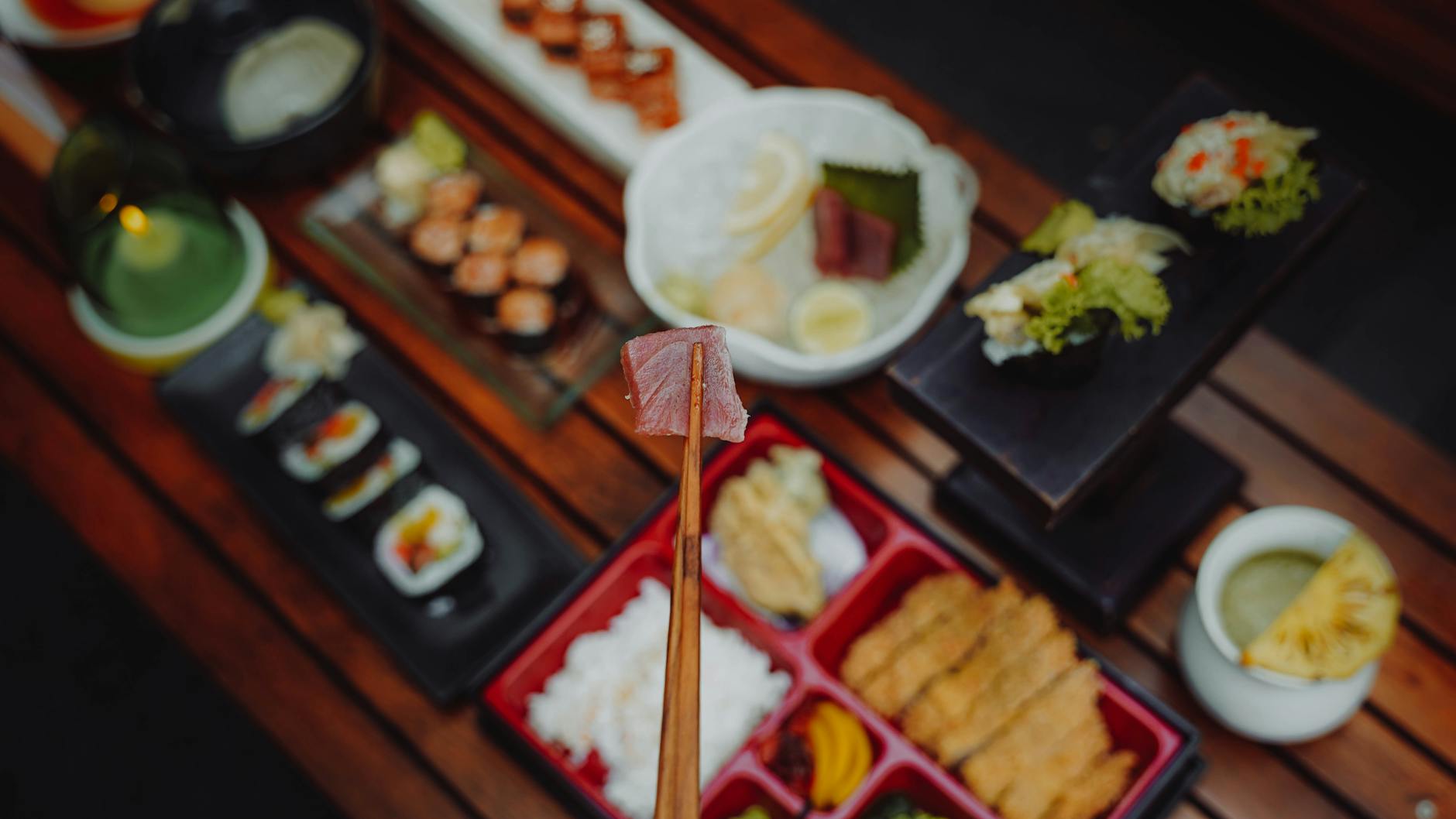
A balanced meal isn't just healthy—it's a philosophy.
In Japan, there's a phrase whispered through generations of home cooks: *ichiju sansai*. One soup, three dishes. It sounds simple, almost modest. But within this humble formula lies centuries of wisdom about nourishment, harmony, and the art of not overdoing things.
Picture a typical Japanese meal: a bowl of miso soup steaming gently, a small dish of simmered vegetables, a plate of grilled fish, a cool sesame spinach salad, and at the center, a bowl of rice. Nothing competes for attention. Each element has its role—something warm, something cool, something rich, something light. The soup hydrates. The protein sustains. The vegetables refresh. The rice grounds it all.
This isn't about restriction. It's about *kansha*—gratitude. When you honor the natural flavor of each ingredient, you don't need excess. A single perfectly grilled mackerel, salted and charred at the edges, tells its whole story. Three slices of pickled daikon offer a sharp, bright counterpoint. The miso soup, made from fermented soybeans, carries umami that ties everything together.
Ichiju sansai emerged during Japan's Edo period, rooted in Zen Buddhism's emphasis on mindful simplicity. Monks ate to live well, not to indulge. But this restraint wasn't joyless—it was elegant. It taught eaters to notice: the sweetness of a carrot simmered in dashi, the texture of rice against the tongue, the way a sip of soup resets your palate between bites.
Today, in a world of endless options and oversized portions, ichiju sansai feels like a quiet rebellion. It asks: what if enough was enough? What if balance was the luxury?
What Is Ichiju Sansai?
- Literal translation: 'one soup, three dishes' (一汁三菜) — a traditional Japanese meal structure
- The composition: rice, soup (usually miso), one main dish (protein), and two side dishes (vegetables, pickles, or simmered items)
- Origins in Zen Buddhist temple cuisine and samurai-era dining etiquette
- Not a strict recipe, but a framework for nutritional and visual balance
The Philosophy of Balance and Harmony
- Nutritional completeness: ensures variety of proteins, vegetables, fermented foods, and grains in one meal
- Five colors, five tastes, five cooking methods — principles that guide dish selection
- Seasonal awareness: ingredients change with the calendar, connecting diners to nature's rhythm
- Portion control and mindfulness: moderate servings encourage appreciation over excess
How Ichiju Sansai Shapes Modern Japanese Dining
- Still the foundation of home-cooked meals, school lunches, and traditional restaurants
- Influences bento box design and kaiseki multi-course dining structure
- Tableware matters: each dish served in its own vessel, honoring the food and the craft
- A sustainable eating model gaining global attention for health and environmental benefits
FAQ
Explore the crafts we feature →