Why Japanese Meals Use Many Small Dishes: The Art of Ichiju-Sansai
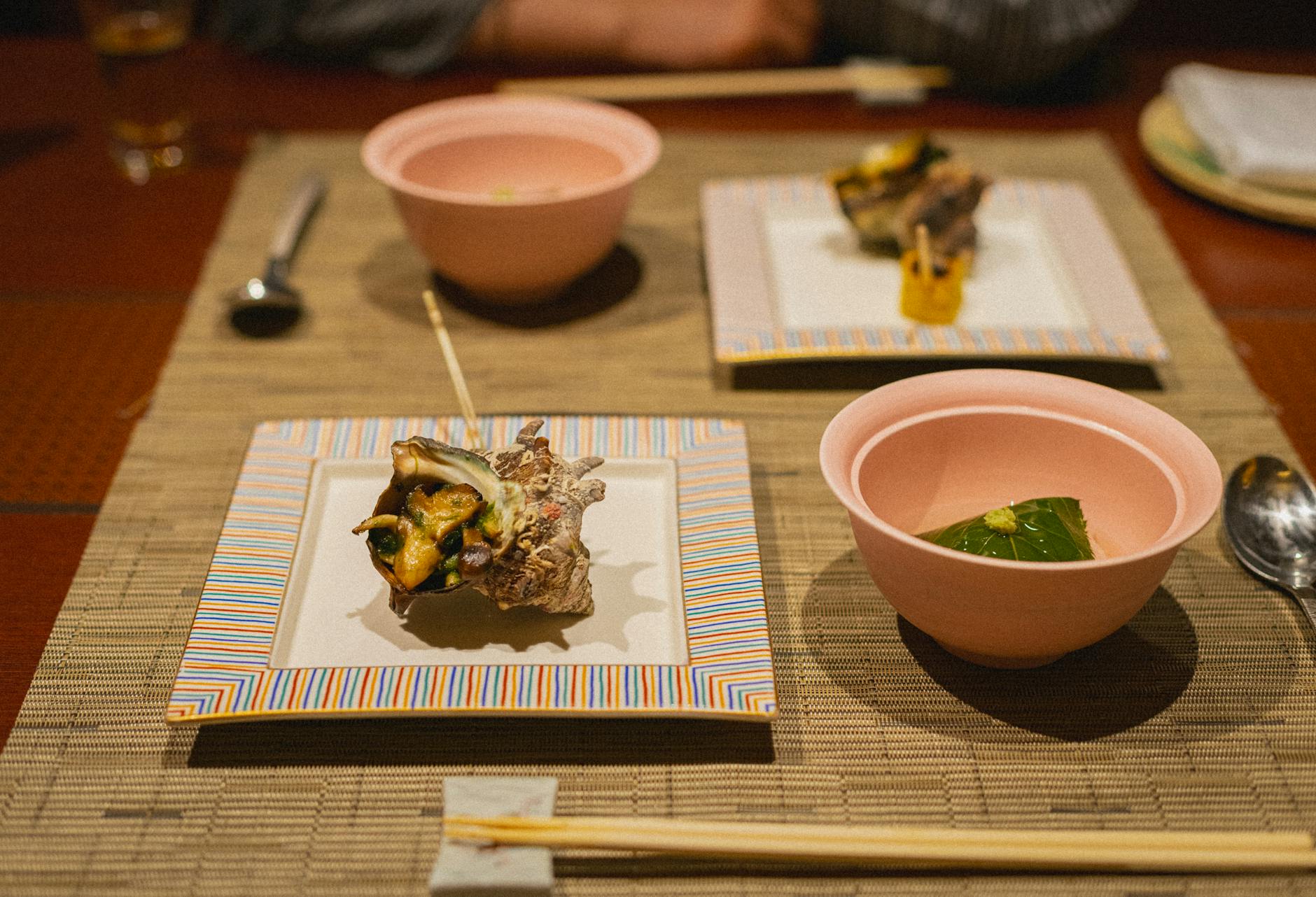
Ever notice how a Japanese meal looks like a little museum on the table?
There's a reason Japanese dining uses many small dishes instead of one big plate. It's rooted in a philosophy called *ichiju-sansai* — "one soup, three sides" — a meal structure that's been practiced for centuries. The idea isn't just variety for its own sake. It's about balance: texture, color, flavor, temperature, and nutrition all working together in harmony.
Each small dish has a role. The soup warms. The pickles cleanse. The grilled fish offers richness. The simmered vegetables bring sweetness. Even the rice gets its own bowl, treated with quiet respect. By separating elements, you taste each one fully — no flavors fighting for attention. It also allows the cook to honor seasonality. A spring meal might feature bamboo shoots in one dish, fresh greens in another, each prepared to highlight what makes that ingredient special *right now*.
And then there's the visual side. In Japanese culture, the eyes eat first. Small portions on carefully chosen dishes — ceramic, lacquer, glass — turn the table into a composed scene. It's not about abundance or big portions. It's about presence, mindfulness, and the quiet pleasure of noticing details.
This approach even influences how meals feel. Eating from many small dishes slows you down. You pause between bites. You notice transitions. The meal becomes a rhythm, not a race.
Next time you sit down to eat, imagine your table as a small landscape — each dish a different view, each flavor a moment to linger in.
The Philosophy Behind Japanese Small Dishes
- Ichiju-sansai (一汁三菜): the foundational meal structure of one soup and three dishes, plus rice and pickles
- Balance (chowa) over abundance: harmony of flavors, textures, colors, and nutritional elements
- Buddhist temple cuisine (shojin ryori) influence: mindful portions, seasonal ingredients, no waste
- Visual aesthetic principle: each dish is framed, appreciated individually, then experienced as a whole composition
Cultural Reasons for Multi-Dish Presentation
- Omotenashi (hospitality): showing care through variety and thoughtful arrangement rather than volume
- Seasonal awareness (shun): small portions allow multiple seasonal ingredients to shine in one meal
- Texture contrast (shokkan): crispy, soft, chewy, smooth—variety keeps the palate engaged throughout the meal
- The kaiseki tradition: formal multi-course dining that elevated small-dish presentation to an art form
Practical Benefits of Small-Dish Dining
- Portion control and digestive ease: smaller amounts prevent overeating, align with hara hachi bu (eating until 80% full)
- Nutritional diversity: easier to include vegetables, proteins, fermented foods, and grains in one sitting
- Mindful eating pace: moving between dishes slows consumption, encourages presence and gratitude
- Adaptable to seasons and occasions: the framework remains, but contents shift with availability and celebration
FAQ
Explore the crafts we feature →