Understanding Tatami Room Layout: A Guide to Traditional Japanese Floor Design
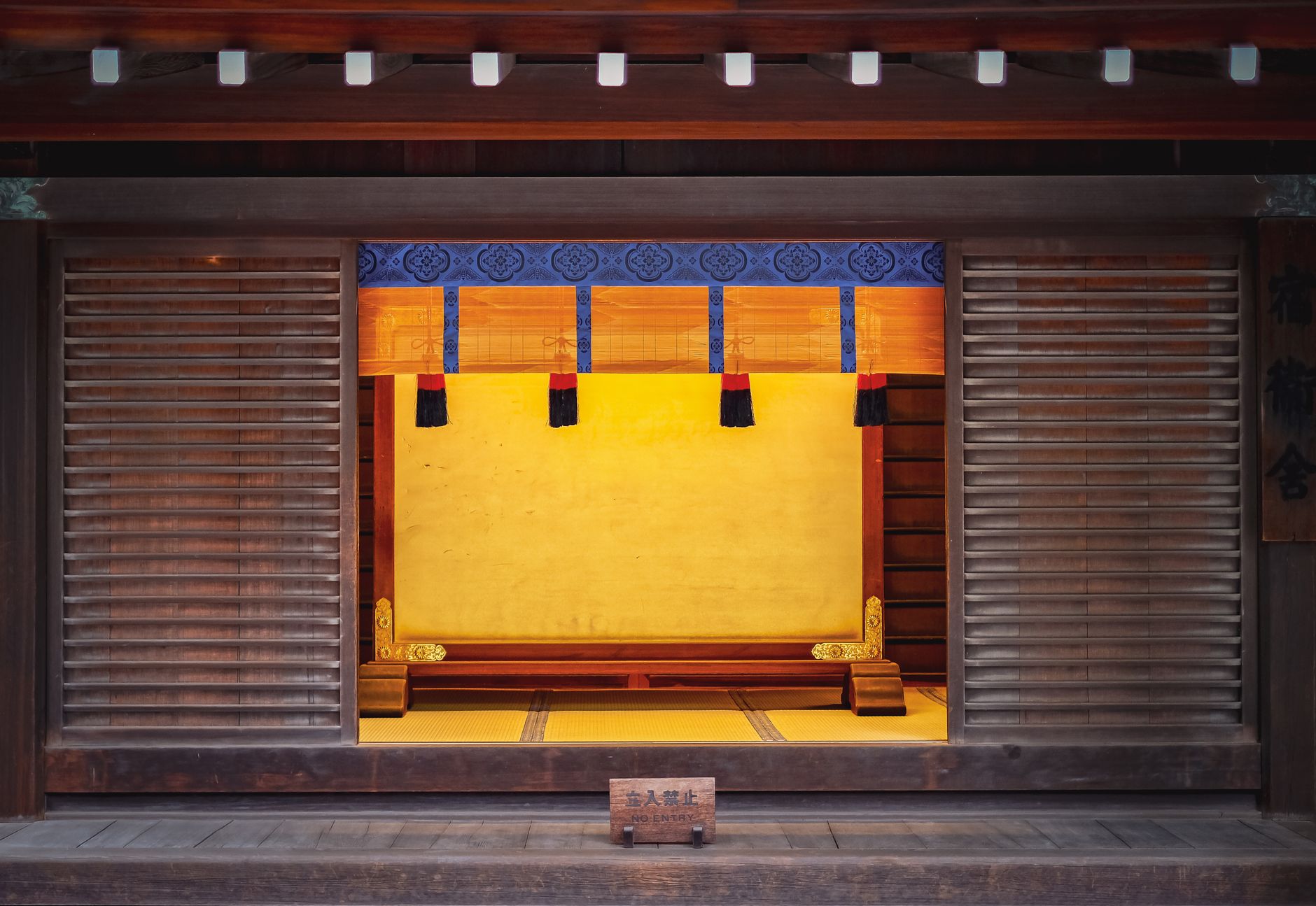
Ever wonder why Japanese room sizes are measured in "mats"?
In Japan, when you look for an apartment, you'll see listings like "6-jō" or "8-jō" — literally six mats or eight mats. This isn't just a quirky measurement system. It's a centuries-old spatial language built around the tatami mat, the woven rush flooring that has shaped Japanese living for over 500 years.
A standard tatami mat measures roughly 90 cm by 180 cm — about the size of one person lying down. This human-scale unit became the building block for traditional architecture. Rooms were designed in multiples: a 4.5-mat tea room (intimate, just enough for host and two guests), a 6-mat bedroom (cozy for a couple), an 8-mat living area (spacious enough for family gatherings).
But here's what makes it beautiful: tatami aren't just measurements. They're modular pieces arranged in specific patterns that avoid four mats meeting at one corner — considered unlucky. Walk into a traditional Japanese home and you'll see them fitted like a puzzle, their soft green surfaces bordered by black cloth, creating a grid that naturally organizes the space.
The tatami system taught Japanese design to think in flexible modules long before modern architecture discovered the concept. Rooms could expand or contract by adding or removing mats. Furniture was minimal because the floor itself was the furniture — you sat on it, slept on it, ate on it.
Even today, in modern Tokyo apartments with hardwood floors, room sizes are still described in jō. The tatami remains the invisible grid beneath contemporary life, a reminder that sometimes the most enduring designs are the ones that simply fit the human body.
What Is Tatami and Why It Defines Room Size
- Tatami mats are woven rush-grass floor coverings with standardized dimensions used for centuries in Japanese homes
- Room sizes are measured by number of mats (4.5-jō, 6-jō, 8-jō) rather than square meters or feet
- The mat itself becomes both flooring and architectural unit of measurement
- Standard tatami mat sizes vary slightly by region: Kyōma (Kyoto), Edoma (Tokyo), and Chūkyōma (central Japan)
Common Tatami Room Layouts and Their Meanings
- 4.5-jō layout: Tea ceremony rooms, intimate study spaces, designed for focused, contemplative activities
- 6-jō and 8-jō layouts: Most common living spaces, bedrooms, or guest rooms in traditional homes
- Auspicious arrangements avoid grid patterns where four mat corners meet (considered unlucky)
- Mats are laid in specific alternating patterns to create visual harmony and structural stability
How to Read and Appreciate Tatami Spaces Today
- The tokonoma alcove typically anchors one wall, indicating the 'seat of honor' orientation
- Proportions create natural human-scale intimacy; rooms feel neither cramped nor cavernous
- Modern Japanese apartments still reference tatami sizing even when using Western flooring
- Understanding layout helps appreciate why traditional rooms feel balanced and calming
FAQ
Explore the crafts we feature →