What Is a Machiya Townhouse? Exploring Kyoto's Traditional Wooden Architecture
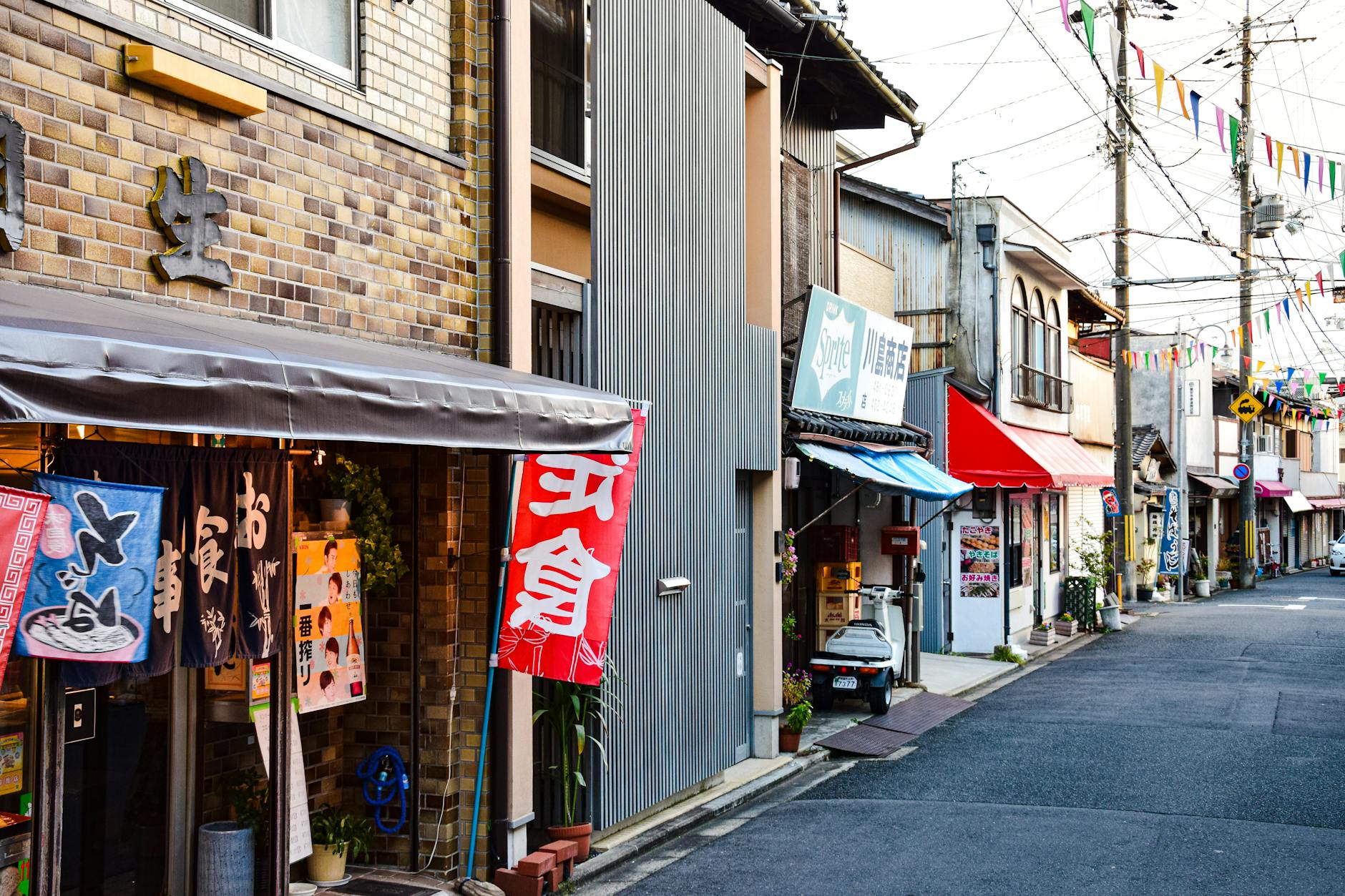
Step through the narrow wooden door of a machiya, and you enter a different world—one where light falls in slanted beams, and the city suddenly feels far away.
A machiya is a traditional wooden townhouse, built long and narrow to fit Kyoto's old merchant districts. From the street, you might see only a slim facade—latticed windows, dark timber, a single doorway. But inside, the house stretches back like a secret corridor, room after room, sometimes thirty meters deep on a plot barely five meters wide.
This shape has a name: "eel's bed," because it's long and slender like the fish. It wasn't about aesthetics—it was survival. In old Kyoto, taxes were based on street frontage. So merchants built thin and deep, maximizing space while minimizing cost.
Walk through a machiya and you'll notice how it breathes. There's usually a narrow courtyard garden midway through, called a tsubo-niwa, that pulls light and air into the center of the home. The rooms flow in sequence, connected by sliding doors. Earthen walls keep the interior cool in summer. In winter, the wooden bones creak gently, like the house is settling into itself.
Many machiya were family homes and workshops combined—the front room a shop, the middle for living, the back for storage or cooking. You can still find them tucked between modern buildings in Kyoto's older neighborhoods, though fewer every year.
To stand inside one is to understand how people shaped their lives around light, air, and the rhythm of the seasons—not in spite of limited space, but because of it.
Understanding the Machiya Townhouse: Form and Function
- Definition: Narrow wooden townhouses built by merchants and artisans from the Edo period through early 20th century
- Distinctive 'eel's bed' layout: Long, narrow buildings (typically 5-6 meters wide, 20+ meters deep) designed to minimize street-facing tax burden
- Dual-purpose design: Front rooms served as shop or workshop space, while living quarters extended toward the rear garden
- Signature latticed wooden façade (kōshi) that allowed residents to see out while maintaining privacy from the street
Architectural Elements That Define the Machiya
- Tōri-niwa: Earthen corridor running from entrance to back, serving as workspace and natural ventilation channel
- Tsubo-niwa: Small interior courtyard gardens that bring light and air into the deep interior spaces
- Natural material palette: Exposed wooden beams, clay walls, tatami mat floors, and paper sliding doors (shōji)
- Adaptive climate design: Deep eaves for summer shade, raised floors for humidity control, strategic window placement for cross-ventilation
The Cultural Legacy of Kyoto's Townhouses Today
- Historical context: Once dominated Kyoto's streetscapes; thousands demolished during modernization, with fewer than 40,000 remaining
- Modern preservation movement: Growing appreciation as living cultural heritage, with conversions into cafés, guesthouses, and galleries
- Architectural influence: Machiya principles inspire contemporary Japanese design—compact living, indoor-outdoor connection, natural materials
- Living tradition: Some families still occupy ancestral machiya, maintaining centuries-old craft businesses in the same structures
FAQ
Explore the crafts we feature →