Kigo: The Art of Seasonal Words in Japanese Poetry
On this page
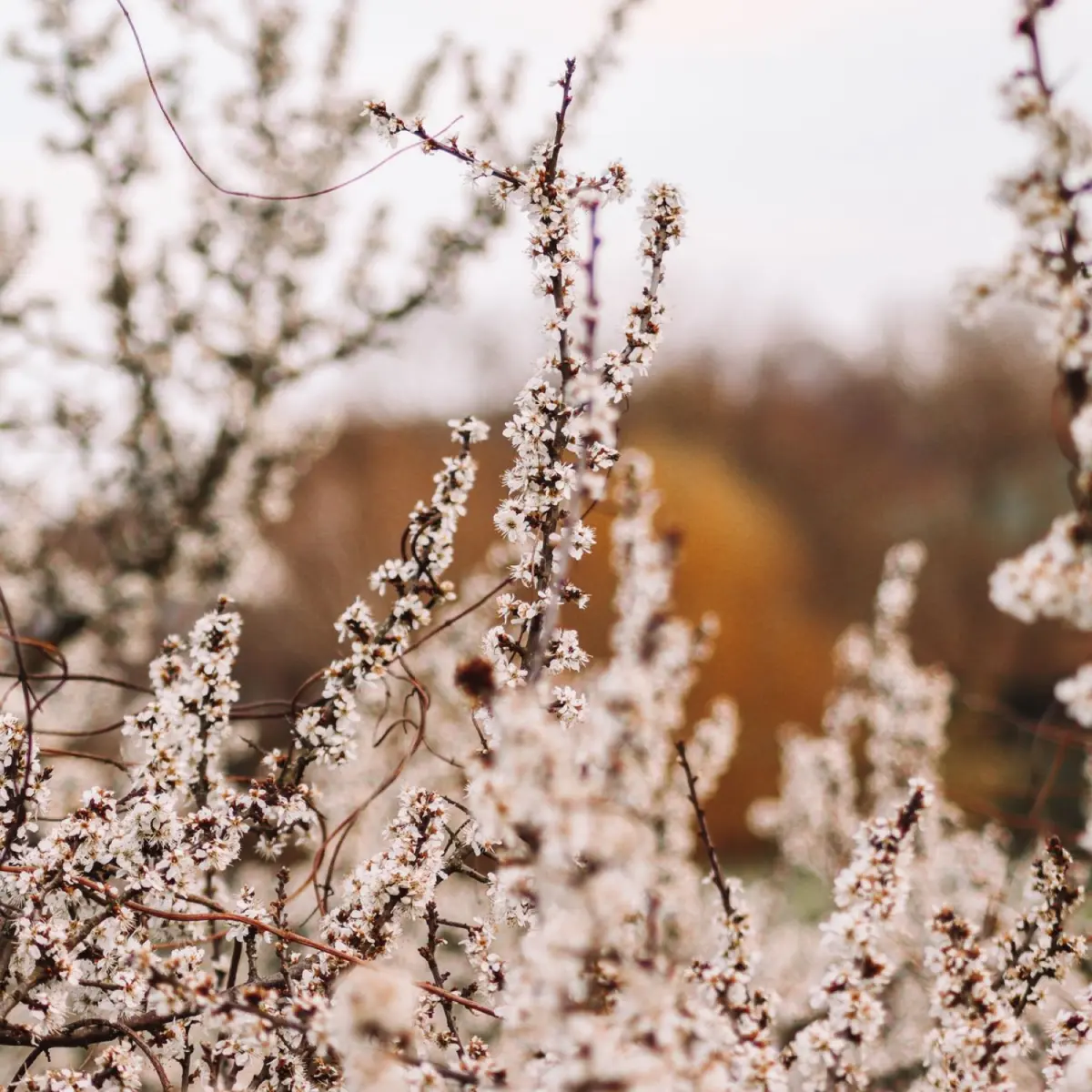
A bare winter branch. Five syllables. The whole season opens before you.
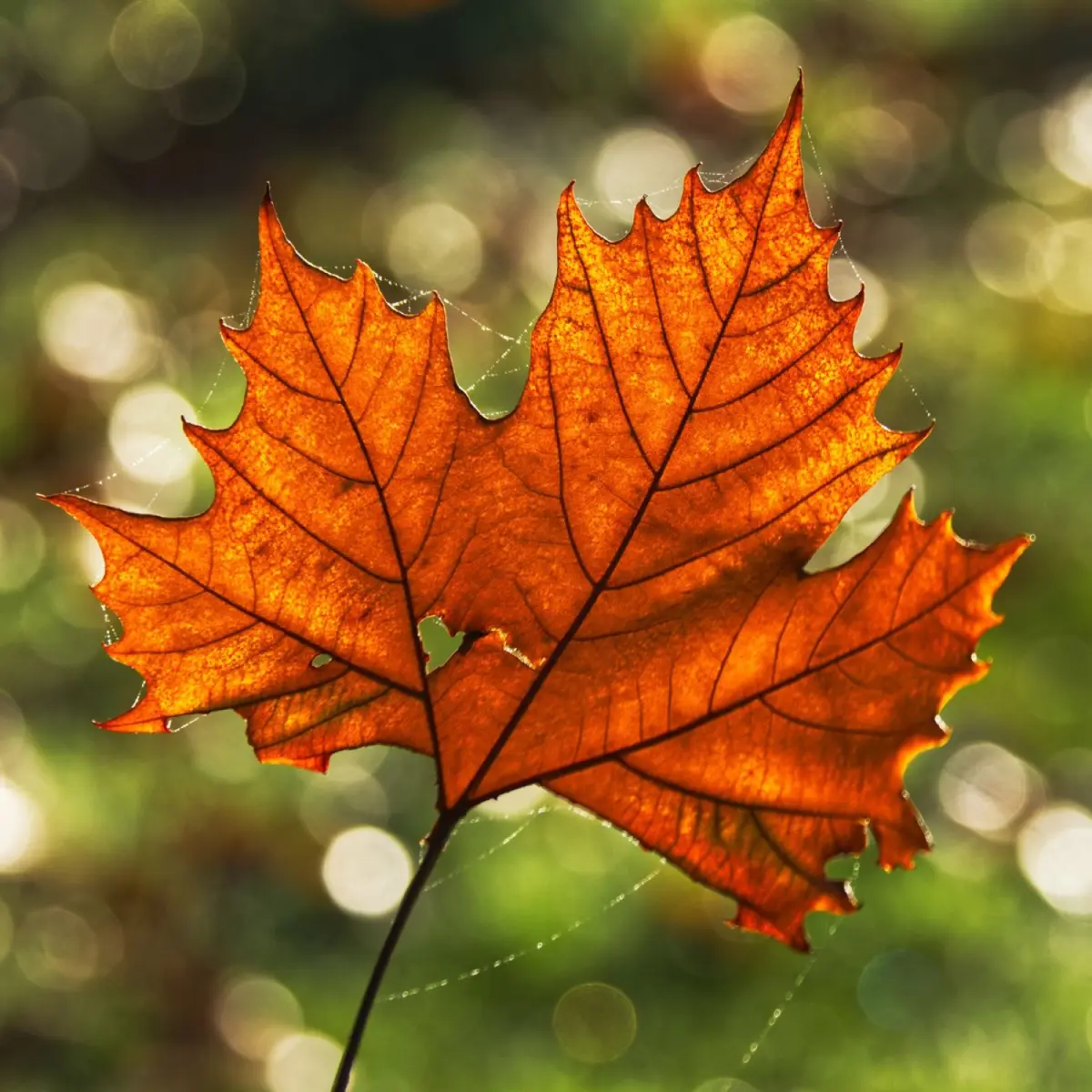
In Japanese poetry, you don't describe winter—you invoke a single image that is winter. A persimmon left on the tree. Frost on a stone lantern. These aren't mere decoration. They're kigo, season words, the beating heart of haiku and the key that unlocks centuries of shared feeling compressed into seventeen syllables.
The word that contains a world
Kigo work like emotional shorthand. Mention sakura (cherry blossoms) and a Japanese reader doesn't just see pink petals—they feel the bittersweet awareness of beauty's brevity, the crowds gathering for hanami viewing parties, the particular quality of April light. You've conjured an entire season's mood without explaining a thing.
This system emerged from renga, the collaborative linked-verse poetry of medieval Japan, where poets needed a common vocabulary to weave their verses together. The opening stanza required a seasonal reference—not as a rule, but as a courtesy. How else could the next poet know where they stood in time?
By the Edo period, poets had codified thousands of kigo into saijiki, seasonal almanacs that read like meteorological poetry collections. Spring alone might list hundreds: uguisu (bush warbler), kasumi (spring haze), tsukushi (horsetail shoots), each carrying its own constellation of associations.
Four seasons, seventy-two micro-seasons
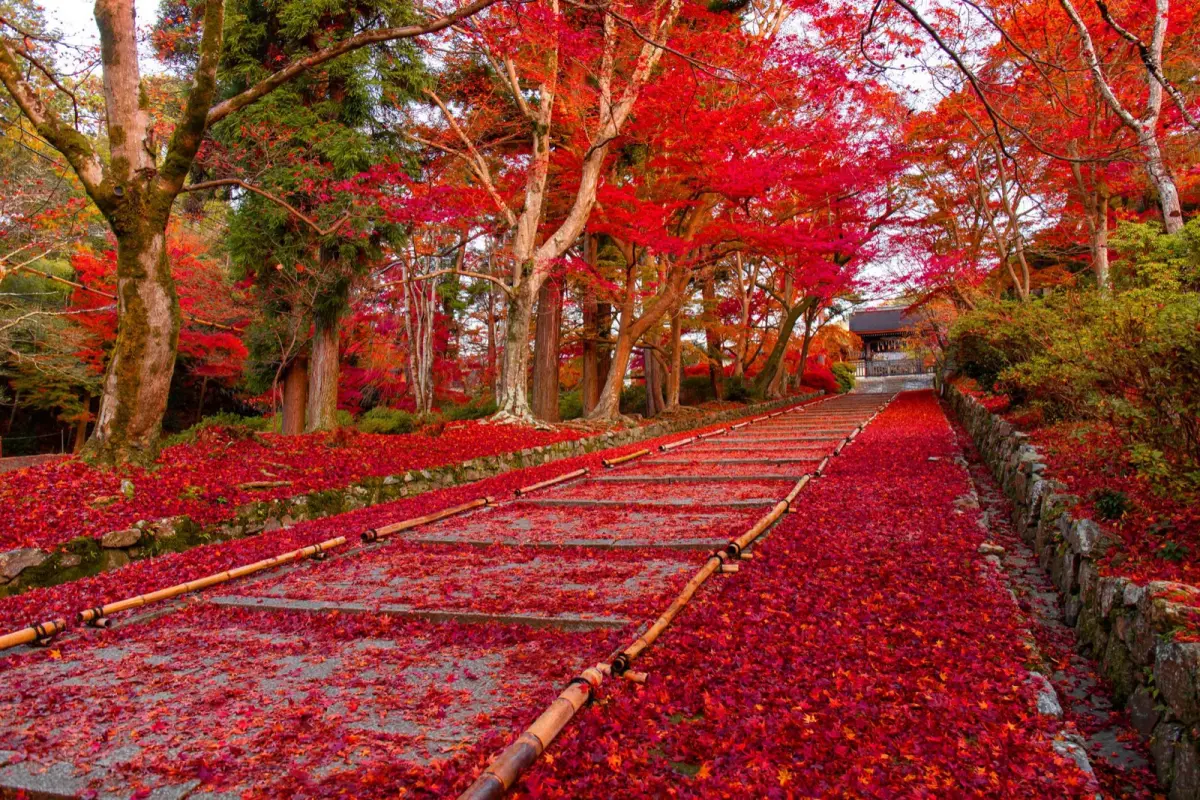
But Japan's seasonal system goes deeper than winter-spring-summer-fall. The traditional calendar recognizes seventy-two shichijūni kō—micro-seasons lasting roughly five days each. "Peach blossoms bloom." "First rainbow appears." "Crickets chirp around doors."
Each brief window has its own vocabulary. You wouldn't use zansetsu (lingering snow) in January—it belongs to early spring, when winter refuses to release its grip. The precision matters. Seasonal words aren't about accuracy; they're about rightness, about capturing the exact emotional temperature of a moment.
A season word is a door: step through it and you enter not just a time of year, but a particular way of feeling time itself.
Some kigo surprise Western readers. Tsuki (moon) defaults to autumn unless specified otherwise—the season when the moon appears clearest and most melancholy. Hotaru (fireflies) mean summer, but carry undertones of fleeting romance and childhood nostalgia. Even sabishisa (loneliness) leans toward autumn in the poetic imagination.
The season inside the teacup
This seasonal awareness saturates Japanese aesthetics far beyond poetry. Tea ceremony practitioners change their bowls, scroll paintings, and even the way they handle the ladle as seasons shift. A winter tea gathering might feature a deep bowl that holds warmth; summer calls for shallow, cool-looking vessels.
The same instinct that demands seasonal precision in haiku insists that you don't serve sakuramochi (cherry blossom rice cakes) in October, or display susuki (pampas grass) arrangements in spring. To ignore the season isn't just poor taste—it's a failure to pay attention to the world as it actually is, right now.
Modern haiku poets still debate whether new kigo can emerge. Is "air conditioner" a valid summer word? What about "Valentine's Day"? The question isn't really about novelty—it's about whether an image has gathered enough shared emotional resonance to function as that door, that instant portal into collective experience.
The winter branch stays bare. But now you see it differently—not empty, but full of everything winter means.
FAQ
Part of the Chaware Library — practical guides and terms, not just stories. Visit the Library →
Chaware curates authentic Japanese crafts — straight from the makers in Japan to your table.
Explore the Chaware collection →
Keep exploring