Hanami: A Complete Guide to Japan's Cherry Blossom Viewing Tradition
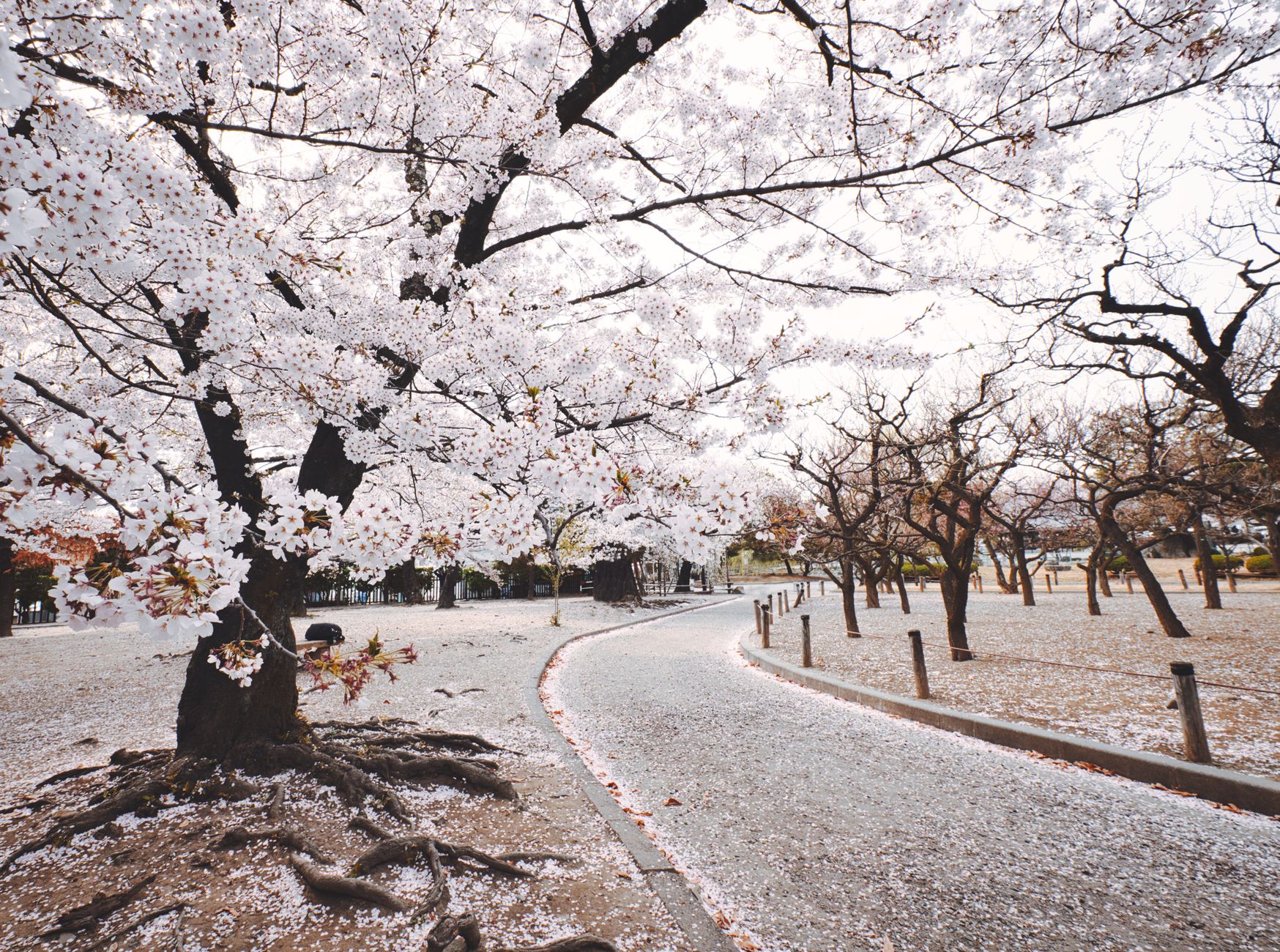
The best hanami parties happen under trees that won't be there next year.
Cherry blossom viewing isn't just about pretty flowers. It's about *mono no aware* — the bittersweet awareness that beautiful things don't last. The blossoms bloom for barely a week, sometimes just three days if the weather turns. Japanese families spread blue tarps under the trees, unpack bento boxes, pour sake, and sit together knowing the petals will fall before the week ends.
This is why hanami feels different from other flower festivals. There's no trying to preserve the moment, no urge to make it last. Instead, people lean into the brevity. They take the afternoon off work. They sit on damp ground. They watch the petals spiral down into their cups and onto their hair, and they don't brush them away.
The custom goes back over a thousand years. Emperors held blossom-viewing banquets in Kyoto. Samurai wrote poems under the trees, comparing the blossoms' short life to their own. By the Edo period, everyone joined in — merchants, farmers, craftspeople — all gathering under the sakura to eat, drink, and be briefly, vividly alive together.
Today, the ritual remains mostly unchanged. People still check the blossom forecast (*sakura zensen*) like others check the weather. They still reserve their spots hours early. They still sit in the cold evening air as the petals fall, not despite the impermanence, but because of it.
Hanami teaches you to notice what's fleeting. And then to celebrate it anyway.
What Is Hanami? Understanding Japan's Cherry Blossom Tradition
- The meaning of hanami (花見): literally 'flower viewing,' a centuries-old practice of gathering beneath blooming cherry trees
- Historical origins in the Nara period (710-794) among aristocrats, later spreading to all social classes by the Edo period
- The cultural significance of sakura (cherry blossoms) as symbols of impermanence, renewal, and the fleeting nature of beauty (mono no aware)
- Why hanami marks the beginning of spring and serves as a communal celebration of nature's cycles
How Japanese People Celebrate Hanami Today
- The tradition of hanami parties: gathering with friends, family, or colleagues beneath cherry trees for picnics and conversation
- Reserving prime spots with blue tarps (often sent early in the morning by junior colleagues)
- Traditional foods and drinks: bento boxes, dango (sweet rice dumplings), sake, and seasonal treats like sakura mochi
- Evening hanami (yozakura): viewing illuminated cherry blossoms after dark for a different atmospheric experience
Hanami Etiquette and Practical Tips for Visitors
- Respect the trees: never break branches, shake trees for photos, or carve into bark
- Clean up completely: bring trash bags and leave no trace, following Japan's strong environmental etiquette
- Be mindful of noise levels and space, especially in crowded parks where many groups gather closely
- Peak bloom timing varies by region (late March in Tokyo, early April in Kyoto, May in Hokkaido) and lasts only 7-10 days
FAQ
Explore the crafts we feature →