The Cherry Blossom Meaning: Why Sakura Symbolize Impermanence in Japan
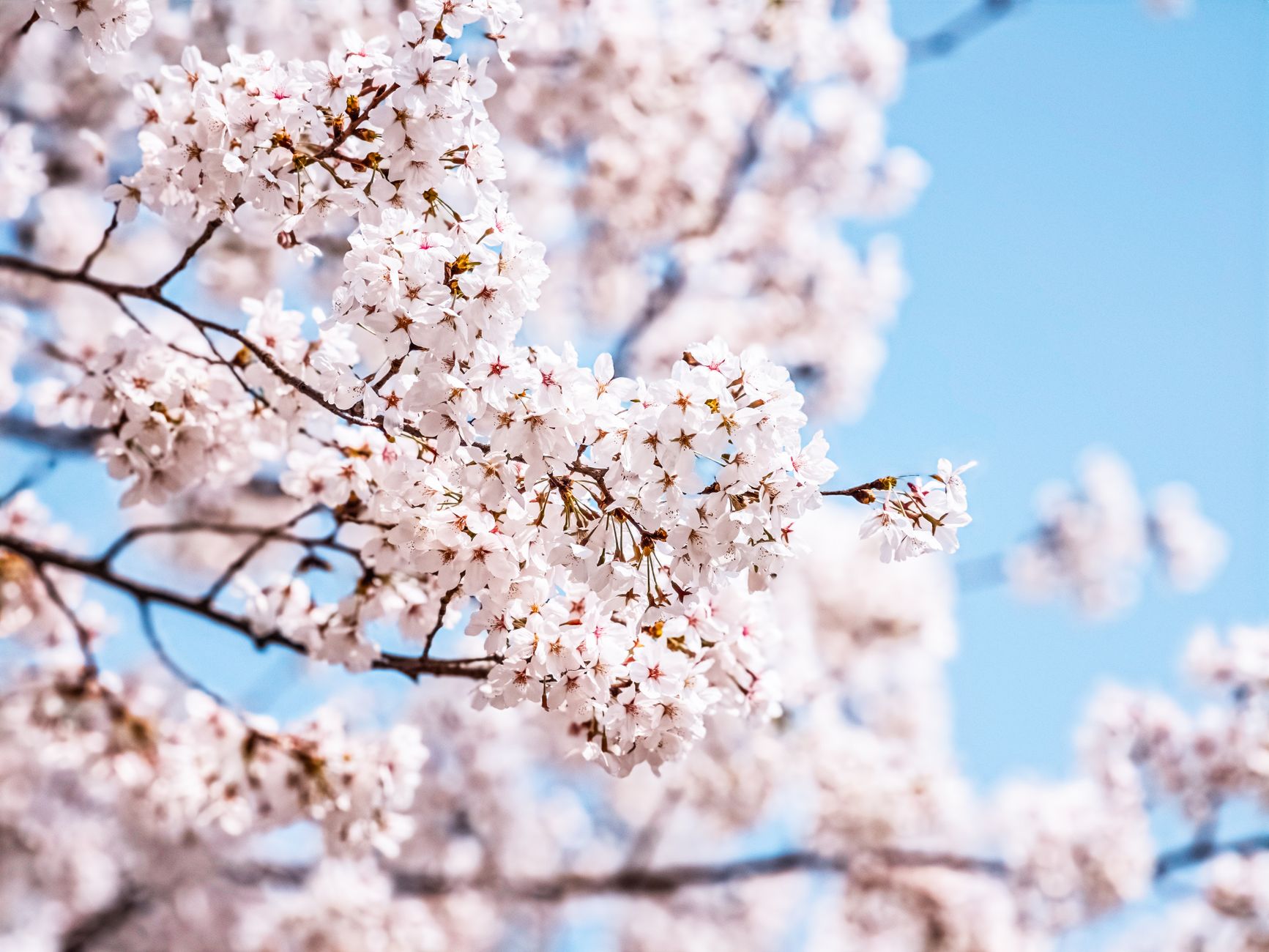
Cherry blossoms bloom for only one week—and that's the whole point.
In Japan, the arrival of sakura isn't just beautiful. It's bittersweet. Families gather beneath the trees for hanami picnics, spreading blankets on the grass, pouring tea, watching petals drift like snow. But even as they celebrate, everyone knows: by next weekend, the flowers will be gone.
This fleeting beauty has a name—*mono no aware*, a gentle sadness at the impermanence of things. It's not about loss, exactly. It's about noticing. About being present for something precisely because it won't last.
Samurai warriors once meditated on falling cherry blossoms to accept the brevity of life. Poets wrote of petals scattering in the wind as a reminder that nothing—no matter how perfect—remains forever. The blossoms became a mirror: life is fragile, time moves quickly, and that's what makes each moment precious.
In a culture shaped by Buddhism's teaching that all things are transient, sakura became the perfect metaphor. The tree doesn't apologize for its short season. It blooms fully, beautifully, then lets go. There's a kind of grace in that—a lesson in living without clinging.
So when you see cherry blossoms, you're not just seeing flowers. You're seeing a philosophy. A reminder to notice what's here now, to honor what passes, to find beauty not in spite of impermanence, but because of it.
That's why the Japanese don't mourn when the petals fall. They watch them go, and they remember.
The Philosophy Behind Sakura Symbolism: Mono no Aware and Mujō
- Mono no aware: the 'pathos of things' — a bittersweet awareness that beauty is fleeting
- Mujō (impermanence): the Buddhist teaching that nothing in life is permanent, mirrored in sakura's brief bloom
- Cherry blossoms live fully for only one week, then scatter — a visual metaphor for life's transience
- This symbolism emerged during the Heian period (794–1185) and deepened through centuries of poetry and art
How Cherry Blossoms Shaped Japanese Culture and Tradition
- Hanami (flower viewing): a centuries-old practice of gathering beneath blooming sakura to reflect on life's brevity
- Samurai connection: warriors identified with sakura — living and dying beautifully, without clinging to life
- Seasonal poetry (haiku): cherry blossoms appear in countless poems as symbols of spring's fleeting arrival
- Modern Japan: sakura still mark the rhythm of the year, appearing on everything from weather forecasts to school calendars
Why the Brief Bloom Makes Cherry Blossoms More Beautiful
- The paradox: sakura are cherished not despite their impermanence, but because of it
- Scattering petals (chiru): the act of falling is considered as beautiful as the bloom itself
- Contrast with Western symbolism: where permanence often equals value, Japanese aesthetics find depth in transience
- This mindset extends beyond flowers — into tea ceremony, seasonal cuisine, and daily gratitude for the present moment
FAQ
Explore the crafts we feature →