Risshun: The First Day of Spring in the Japanese Calendar
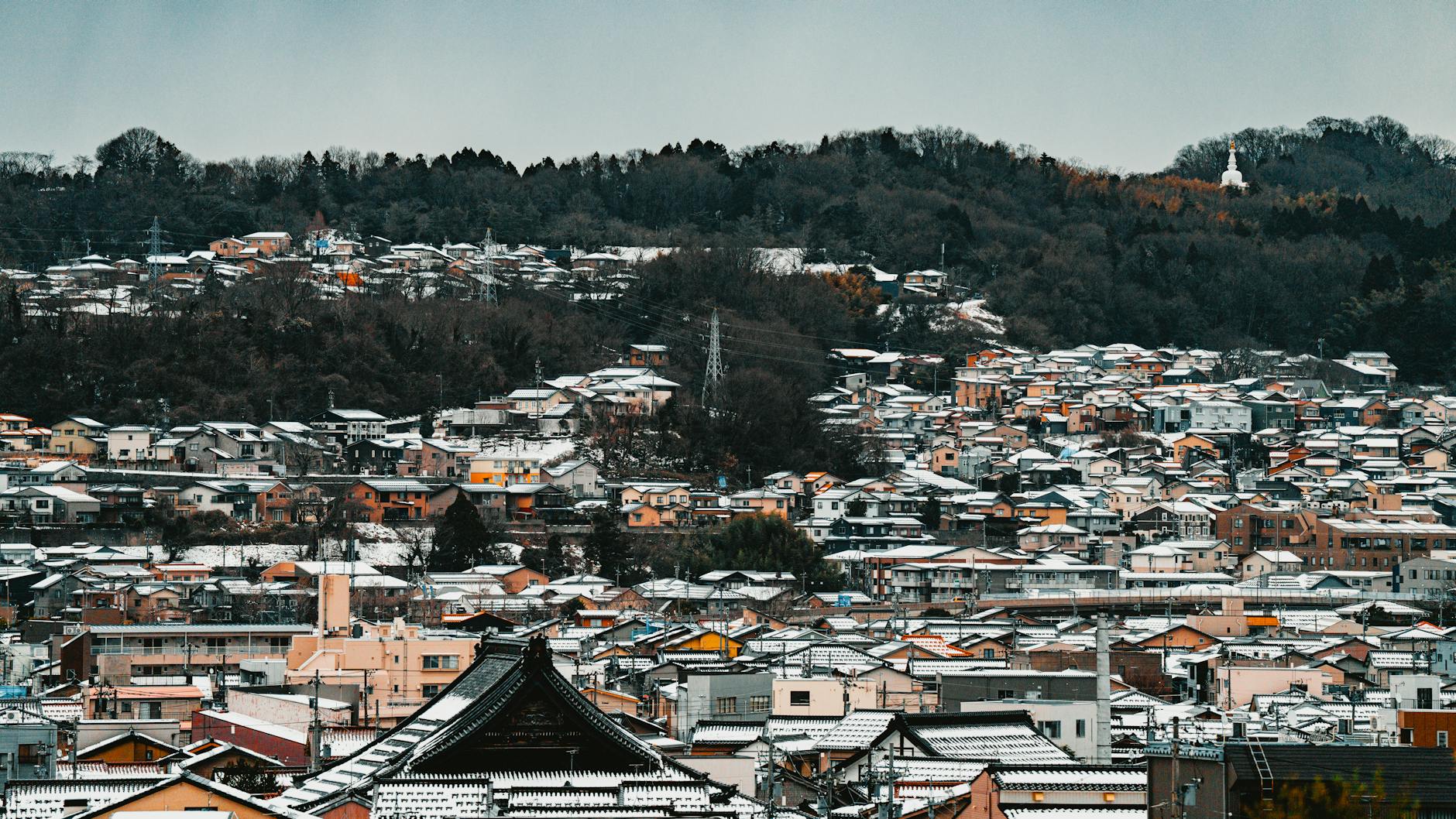
Spring arrives not with cherry blossoms, but in silence — often while snow still blankets the ground.
In the traditional Japanese calendar, today marks Risshun (立春), the official first day of spring. But if you step outside in early February, you won't find flowers or warmth. You'll find cold air, bare branches, perhaps frost on the windowpane. So why call it spring?
Because the Japanese calendar doesn't measure what *is* — it measures what *begins*. Risshun marks the subtle turning point when daylight starts to lengthen, when the earth's energy shifts beneath the surface. It's the moment when nature takes its first quiet breath toward renewal, even if we can't see it yet.
This day is part of the ancient lunisolar system that divided the year into twenty-four seasonal nodes, each capturing a micro-season of change. Risshun falls between Setsubun (the bean-throwing ritual of purification) and the gradual thaw to come. Farmers once used it to prepare fields. Families acknowledged the shift with simple rituals — hanging fresh plum branches, eating the season's first greens.
It teaches a different way of seeing time. Not as a photograph of the present, but as a story in motion. Spring doesn't announce itself loudly. It starts as a whisper under frozen ground, a promise coded into longer shadows and the angle of light.
Risshun invites you to notice beginnings before they become obvious — to trust in what's stirring, even when the world still looks like winter.
What Is Risshun? Understanding the Start of Spring
- Risshun (立春) marks the first day of spring in the traditional Japanese lunisolar calendar, usually falling around February 4th
- The term means 'establishment of spring' and signals the symbolic beginning of the growing season, even when snow still covers the ground
- Risshun is one of the 24 solar terms (nijūshi sekki) that divide the year according to astronomical changes and agricultural rhythms
- While modern Japan follows the Gregorian calendar, risshun remains culturally significant in festivals, food customs, and seasonal awareness
The Cultural Significance of Risshun in Japanese Life
- Risshun follows Setsubun (the day before), when families perform bean-throwing rituals to drive out evil and welcome good fortune for the new season
- Traditional belief holds that water drawn on risshun morning (risshun asashibori) possesses special purifying properties, used in sake brewing and tea ceremonies
- The day marks an auspicious time for new beginnings—starting projects, making important decisions, or setting intentions aligned with nature's renewal
- Many Shinto shrines issue special talismans (ofuda) on risshun, believed to carry the fresh energy of the turning season
Risshun Customs and Seasonal Foods
- Sake breweries prize risshun for releasing risshun asashibori—sake bottled on the morning of risshun, celebrated for its fresh, vibrant character
- Seasonal foods shift toward early spring ingredients: nanakusa (seven spring herbs), fresh greens, and the anticipation of cherry blossom season
- Calligraphy with auspicious phrases is posted on doorways, welcoming spring's energy into homes and businesses
- The day reminds people to notice subtle changes—lengthening daylight, the first plum blossoms, birdsong returning—cultivating attentiveness to nature's cycles
FAQ
Explore the crafts we feature →