The Meaning of Bowing in Japan: A Guide to Understanding This Essential Gesture
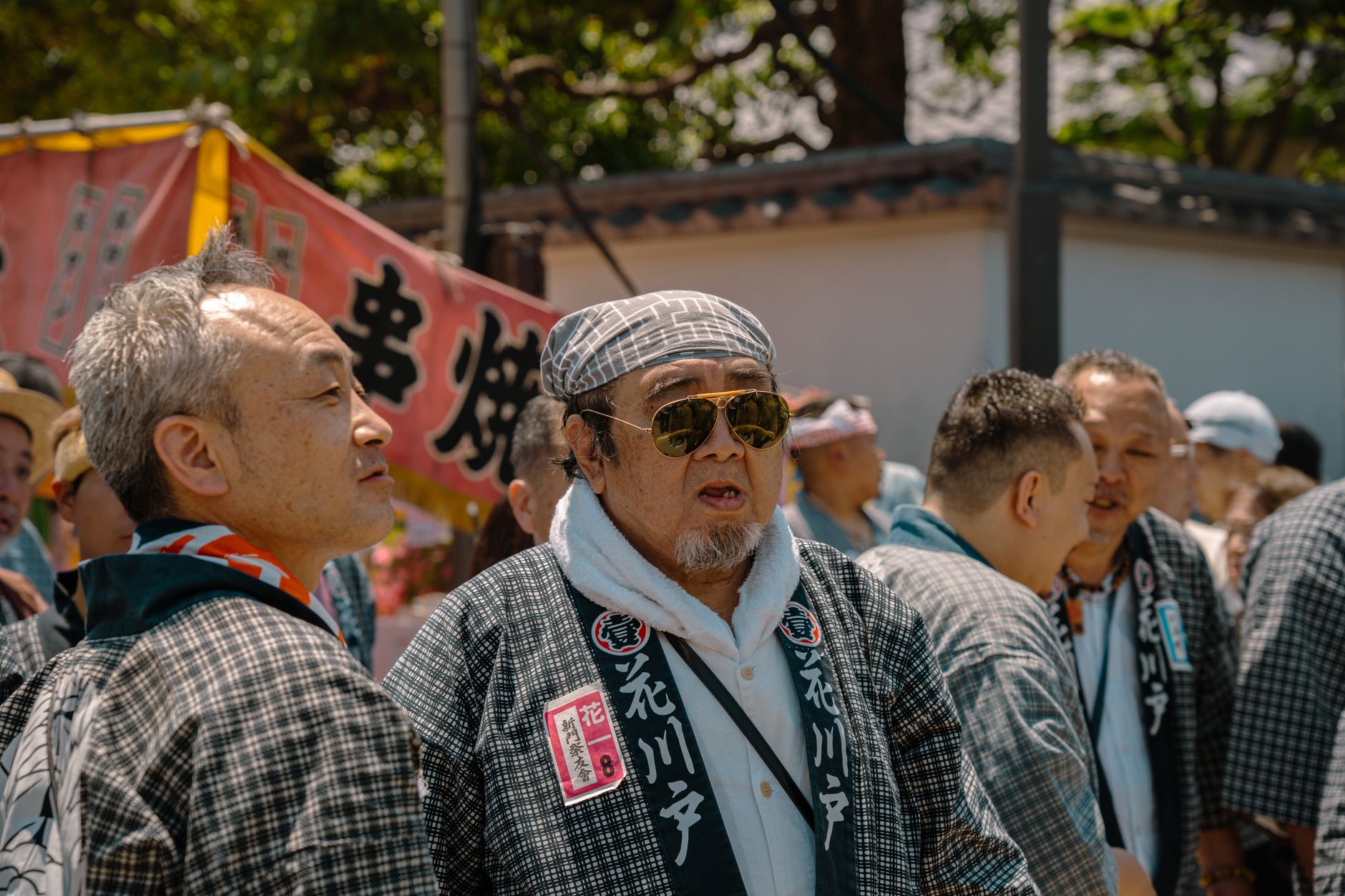
The angle of your bow says what words cannot.
In Japan, a bow is never just a bow. It's a conversation without language — a way to show respect, apologize, greet, or thank, all through the tilt of your spine. The depth matters. A quick 15-degree nod? That's a casual hello between coworkers. A 30-degree bow from the waist shows sincere respect — used when meeting a client, thanking a teacher, or greeting an elder. But a 45-degree bow, held for a beat longer, carries weight. It's a formal apology. A moment of deep gratitude. The kind of gesture that says, "I see you, and I honor this moment between us."
Watch closely in Japan and you'll notice: people bow to buses as they leave. Shopkeepers bow to empty doorways after a customer exits. Even over the phone, where no one can see, a bow slips naturally into the posture. It's not performance. It's reflex — a rhythm woven so deeply into daily life that the body remembers before the mind decides.
The beauty of the bow lies in its quiet clarity. No words are needed, no explanation required. Just presence, intention, and a small bend that bridges two people. In a world that talks endlessly, the bow listens. It makes space. It says, "You matter," without ever needing to speak.
Next time you witness or offer a bow, notice the stillness in it. That's where the meaning lives.
Why Do Japanese People Bow? The Cultural Roots of Ojigi
- Bowing (ojigi) expresses respect, gratitude, apology, and greeting—rooted in Confucian values and Buddhist influence
- Unlike handshakes, bows maintain personal space and convey hierarchy, humility, and social harmony (wa)
- The practice dates back over 1,000 years, evolving from court rituals to everyday modern etiquette
- Context matters: bows vary by relationship, occasion, and formality level
Types of Japanese Bows and What Each One Means
- Eshaku (15° angle): casual greeting for acquaintances, colleagues, or customers—most common daily bow
- Keirei (30° angle): polite bow for business meetings, formal greetings, showing sincere respect
- Saikeirei (45° angle): deep bow for apologies, extreme gratitude, or meeting someone of high status
- Special contexts: seated bows (zarei), shrine/temple bows, and service industry bows have distinct forms
Bowing Etiquette: What Visitors Should Know
- Foreigners aren't expected to bow perfectly—a polite nod or slight bow is appreciated and respectful
- Keep your back straight, hands at sides (men) or clasped in front (women), eyes lowered, pause briefly
- Don't bow while shaking hands—choose one gesture to avoid awkwardness
- When in doubt, observe and mirror: match the depth and duration of the other person's bow
FAQ
Explore the crafts we feature →