Kutani Ware History: The Story of Japan's Boldest Colored Porcelain
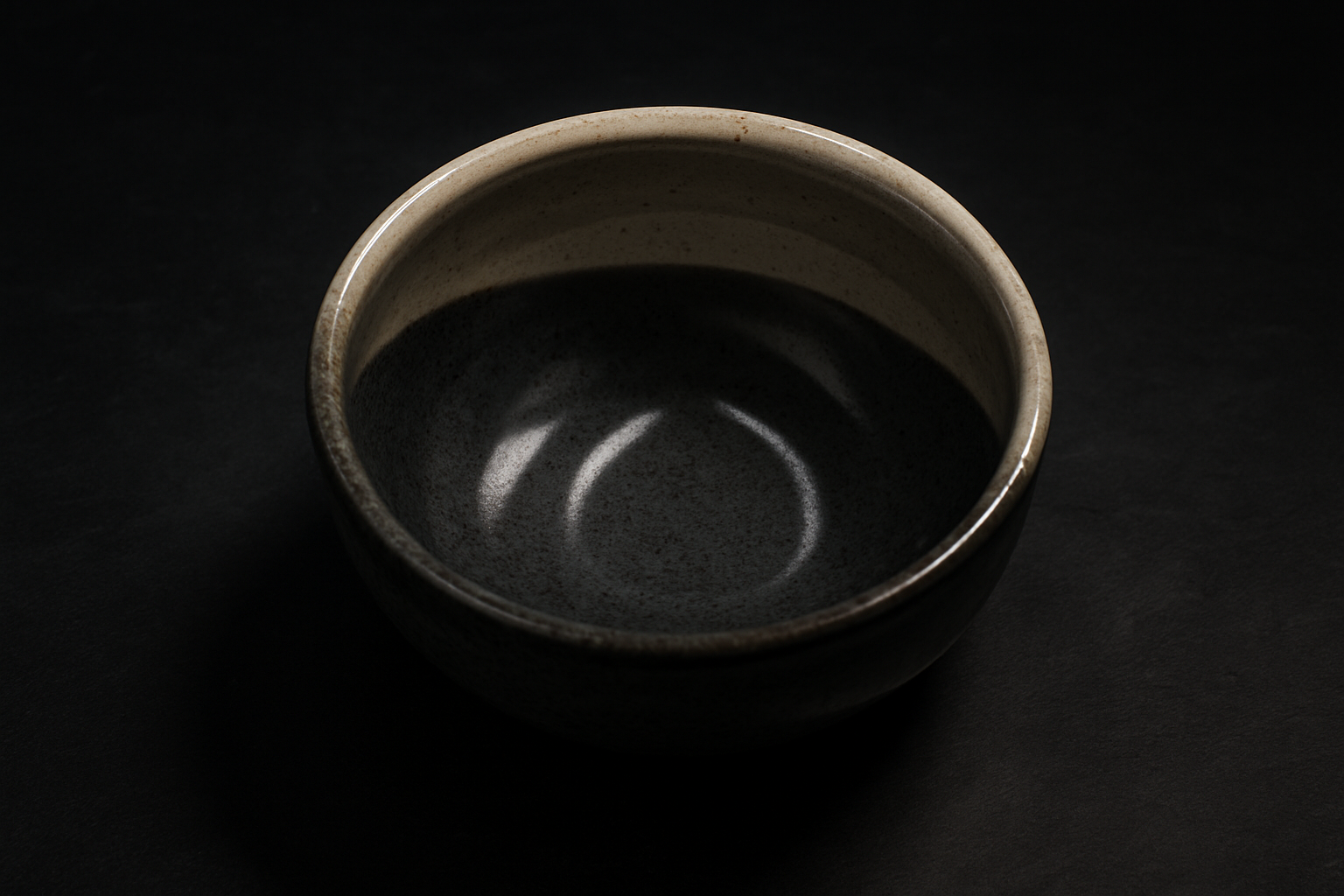
Some porcelain whispers. Kutani ware sings in color. Look closely at a Kutani piece and you may find a landscape, a flowering branch, or sweeping geometric patterns rendered in deep green, blue, yellow, purple, and red enamels that seem to glow from within. This is the porcelain tradition of the Kaga region, in what is now Ishikawa Prefecture on Japan's western coast.
What sets Kutani ware apart is its devotion to overglaze enamel painting. After the porcelain is glazed and fired, artisans paint over that smooth surface with mineral pigments, then fire the piece again at a lower temperature to fuse the colors permanently. The result is a depth and brilliance that flat, single-firing decoration rarely achieves.
The tradition has two great chapters. The earliest works, known as Ko-Kutani, or Old Kutani, are celebrated for their bold, almost fearless designs and generous use of color. After a quieter interval, the style was revived by kilns across the region, each adding its own interpretation while honoring the spirit of those early masters.
What moves me about Kutani is its confidence. Where some ceramics prize restraint, Kutani embraces abundance, sometimes covering nearly the entire surface so the white porcelain all but vanishes beneath the painting. It is a reminder that beauty in Japanese craft is not a single voice but a chorus, and that color, too, can be a form of quiet mastery.
Which color in the Kutani palette draws your eye first?
What Is Kutani Ware?
- Kutani ware (九谷焼) is a style of colorful Japanese porcelain associated with the Kaga region, in what is today Ishikawa Prefecture on Japan's western coast.
- Its defining feature is overglaze enamel decoration: vivid mineral pigments are painted onto already-glazed, fired porcelain and then fixed in a second, lower-temperature firing.
- The style is celebrated for a rich palette often described as the 'five colors' (gosai): green, blue, yellow, purple, and red.
The Early Period: Ko-Kutani
- The earliest body of Kutani work is known as Ko-Kutani, or Old Kutani, and is admired for its bold, painterly, and often unrestrained designs.
- Ko-Kutani pieces frequently feature dense, expressive decoration that can cover much of the surface, so the white porcelain recedes beneath layers of enamel.
- These early works set the visual identity that later generations would look back to as a benchmark of the tradition.
Decline and Revival
- After its early flourishing, Kutani production experienced a quiet interval before being taken up again by kilns across the Kaga region.
- This revival did not simply copy the past; later kilns reinterpreted classic motifs and developed their own distinctive approaches to color and pattern.
- Through this continuity of revival and reinvention, Kutani grew from an early style into a long-lived, evolving craft tradition.
Why Kutani Ware Still Matters
- Kutani represents a confident, color-forward strand of Japanese ceramics, contrasting with traditions that prize restraint and quiet surfaces.
- Its overglaze enamel technique demands skilled hand-painting and careful firing, making each piece a record of the painter's craftsmanship.
- As a regional craft of Ishikawa Prefecture, Kutani remains an enduring part of Japan's living ceramic heritage and cultural identity.
FAQ
Explore the crafts we feature →