Why Japanese Gift Wrapping Matters: The Art of Tsutsumi and Cultural Respect
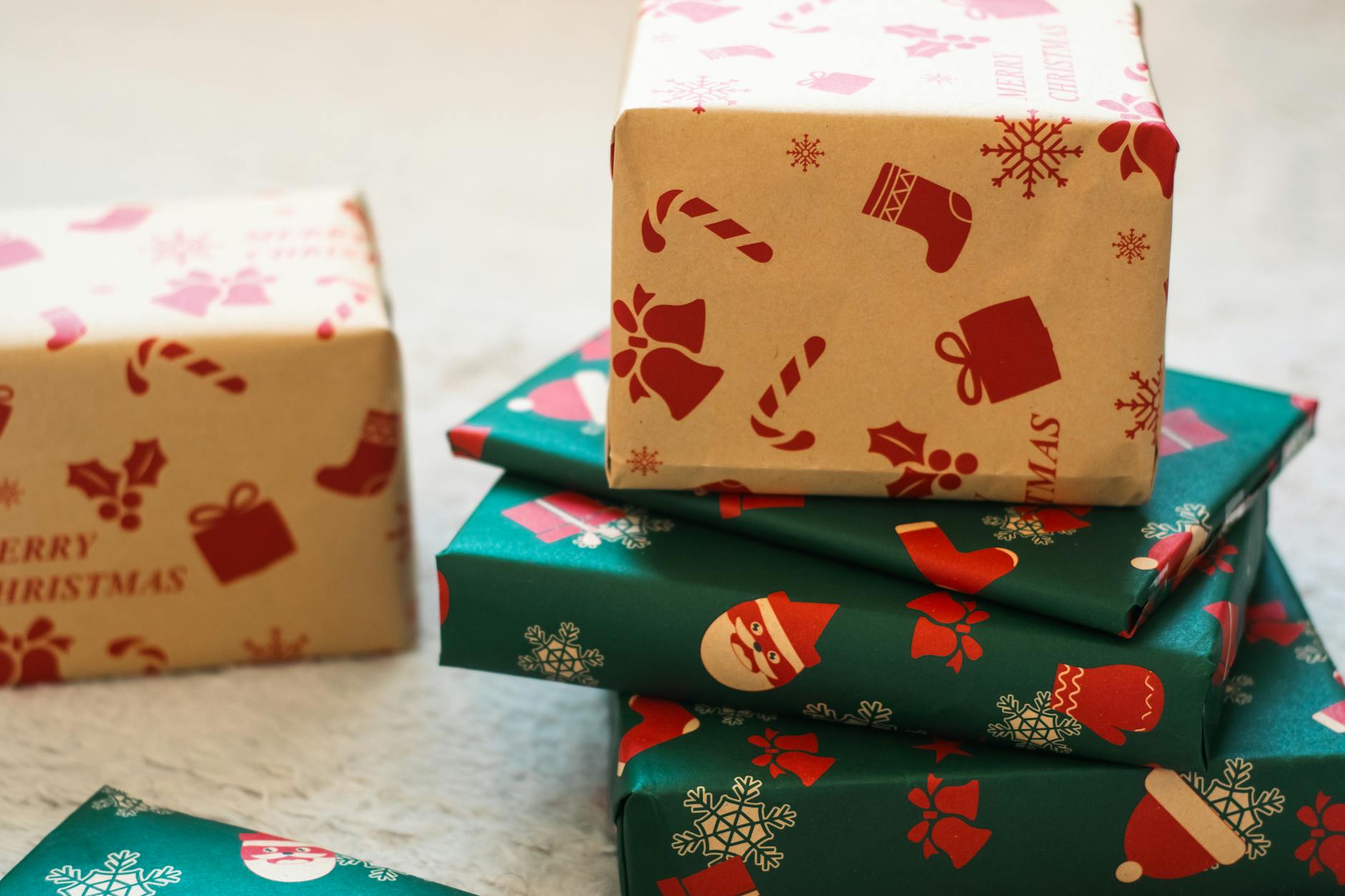
In Japan, the wrapping is part of the gift.
Walk into any department store in Tokyo, and you'll witness something beautiful: staff wrapping a simple box of cookies with the precision of origami masters. Crisp folds. Perfect corners. A ribbon placed just so. It might take five minutes for something you could tear open in five seconds — and that's exactly the point.
This ritual is called *tsutsumu*, which means "to wrap" but carries a deeper meaning: to envelop with care, to honor what's inside by honoring what's outside. The wrapping cloth — *furoshiki* — has been used for centuries, transforming a mundane object into something sacred through the simple act of careful folding.
Here's what surprised me most when I first learned this: in Japanese gift-giving, *how* you present something often matters more than what you're presenting. A modest gift wrapped with attention shows respect. An expensive gift carelessly wrapped? It misses the mark entirely.
The wrapping communicates what words sometimes can't: "I thought about you. I took time for you. This moment matters."
Even the way you hand over a wrapped gift follows etiquette — with both hands, the front facing the recipient, often with a small bow. It's a micro-ceremony that slows down our hurried world, even if just for a breath.
In a culture where directness can feel uncomfortable, the wrapping becomes a language of its own — one that speaks in creases and knots, in the space between giving and receiving.
Next time you wrap something, try slowing down. Let the paper tell its own quiet story.
The Philosophy Behind Japanese Gift Wrapping
- Wrapping as an extension of the gift itself—the presentation shows care, effort, and respect for the recipient
- The concept of 'tsutsumu' (包む): to wrap, envelop, and protect—both physically and spiritually
- Minimalism and restraint: beauty found in simplicity, clean folds, and natural materials
- The wrapping conceals to create anticipation, honoring the moment of revelation
Traditional Wrapping Methods and Their Meanings
- Furoshiki: reusable cloth wrapping with roots in the Edo period, symbolizing sustainability and thoughtfulness
- Mizuhiki: decorative paper cords tied in specific knots for weddings, celebrations, or condolences—each design carries distinct meaning
- Noshi: folded paper ornament attached to gifts, originally dried abalone, representing good fortune and formality
- Seasonal and occasion-specific choices: colors, patterns, and materials shift with context (celebratory red and white vs. somber black and white)
Modern Wrapping Etiquette and What to Avoid
- Never use excessive tape or garish bows—elegance lies in restraint and precision
- Avoid wrapping in groups of four (shi, meaning death) or using predominantly white paper outside funerals
- The 'right side up' rule: patterns and folds should face the recipient correctly when presented
- Unwrapping etiquette: recipients often open gifts carefully, preserving the wrapping to acknowledge the giver's effort
FAQ
Explore the crafts we feature →