Arita vs Mino Ware: Understanding Two Pillars of Japanese Ceramics
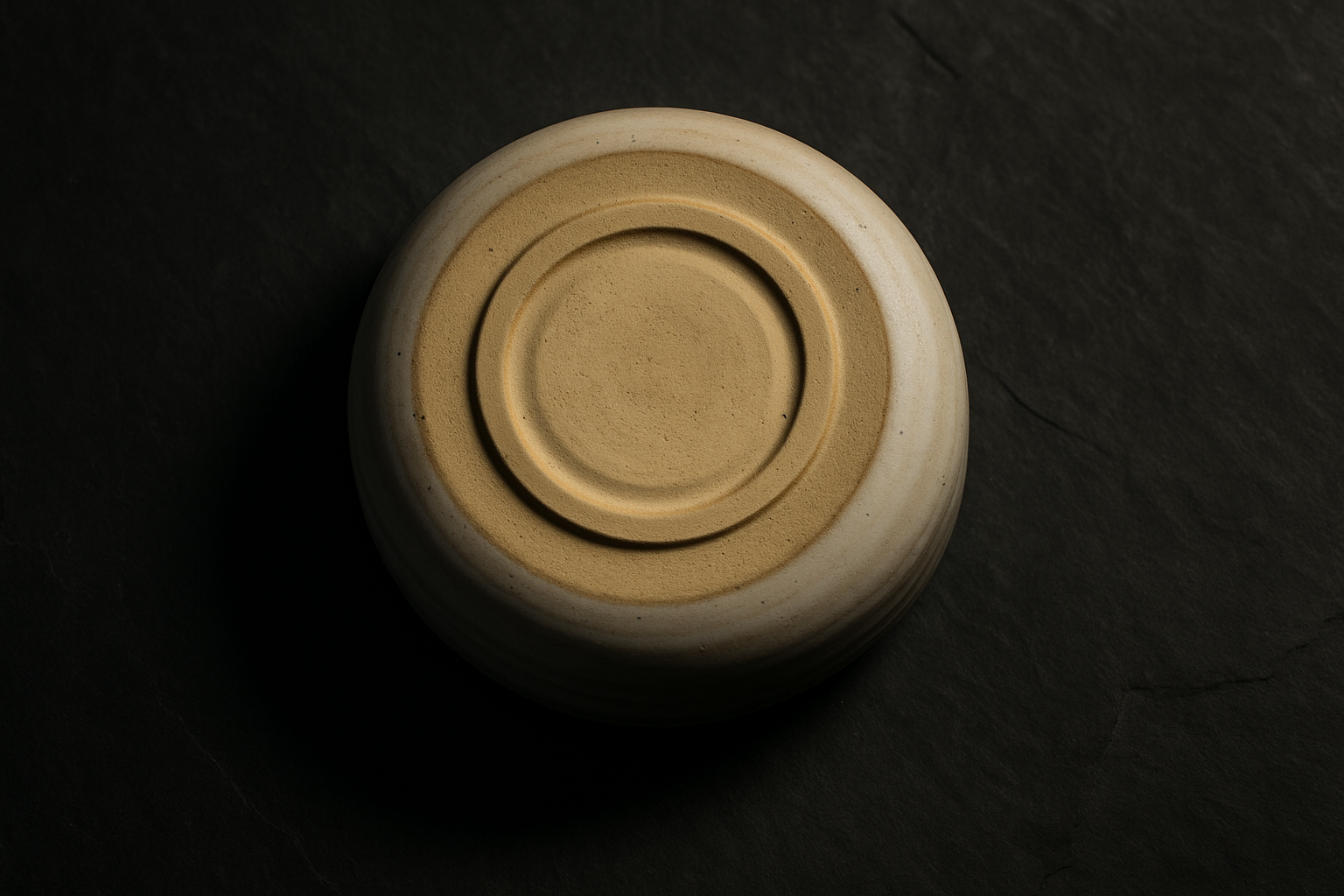
Hold an Arita teacup to the light and it glows almost translucent, white as snow beneath cobalt and red painting. Cradle a Mino tea bowl and you feel weight, warmth, the soft crawl of a thick Shino glaze. Both are pillars of Japanese ceramics, yet they belong to different worlds.
Arita ware (Aritayaki) was born around 1616 in the town of Arita in Saga Prefecture, Kyushu, after porcelain stone was discovered at Izumiyama. It became Japan's first true porcelain, and because it left through the port of Imari, Europe often knew it as Imari ware. Its character is precision: a hard, white, vitreous body decorated in blue underglaze and brilliant overglaze enamels.
Mino ware (Minoyaki) comes from the Tono region of Gifu Prefecture, where kilns have burned for well over a thousand years. During the Momoyama period its potters created some of the most beloved styles in the tea ceremony, the milky Shino, the green-and-geometry of Oribe, the amber Ki-Seto, and the deep black Setoguro. Today Mino quietly produces a large portion of the everyday dishes found on Japanese tables.
So one is the story of porcelain reaching for refinement and the wider world; the other is the story of stoneware reaching for feeling, season, and the intimacy of the tea room. Knowing the difference is really knowing two different ideas of beauty held side by side.
Which speaks to you more, the painted clarity of Arita or the quiet imperfection of Mino?
Different Clays, Different Regions
- Arita ware (Aritayaki) is made in and around the town of Arita in Saga Prefecture on the island of Kyushu, in western Japan.
- Mino ware (Minoyaki) is produced in the Tono region of Gifu Prefecture in central Japan, near the historic Seto pottery area.
- The most fundamental difference is material: Arita is porcelain, fired from a fine white stone-based clay that becomes hard and vitreous, while Mino is predominantly stoneware, made from heavier, more iron-bearing clays.
- This material gap shapes everything that follows, from translucency and color to weight and the feel of the surface in the hand.
Two Very Different Histories
- Arita's porcelain story begins around 1616, when porcelain stone was discovered at Izumiyama, an event traditionally linked to potters connected with the Korean peninsula; this made Arita the birthplace of Japanese porcelain.
- Because finished Arita pieces were shipped from the nearby port of Imari, much of the ware that reached Europe in the 17th and 18th centuries was known there as Imari ware.
- Mino's kilns are far older, with a ceramic history reaching back well over a thousand years, and the area became one of Japan's largest production centers.
- Mino reached an artistic peak in the Momoyama period (late 16th century), when its potters created tea wares that remain icons of Japanese aesthetics.
Aesthetics: Painted Refinement vs Expressive Glazes
- Arita is celebrated for decoration on a white ground: cobalt-blue underglaze painting (sometimes called sometsuke) and vivid overglaze enamels in red, green, gold, and other colors.
- Classic Arita and related Imari and Kakiemon styles favor crisp, often symmetrical motifs and a sense of clarity and luxury.
- Mino is famous for its glaze-driven stoneware tea styles: milky-white Shino, green Oribe with playful geometric designs, amber-toned Ki-Seto, and the deep black of Setoguro.
- Where Arita tends toward painted precision, Mino embraces texture, irregularity, and the quiet imperfection valued in the tea ceremony, and today supplies a large share of everyday Japanese tableware.
FAQ
Explore the crafts we feature →