What Is Sencha? Understanding Japan's Everyday Green Tea
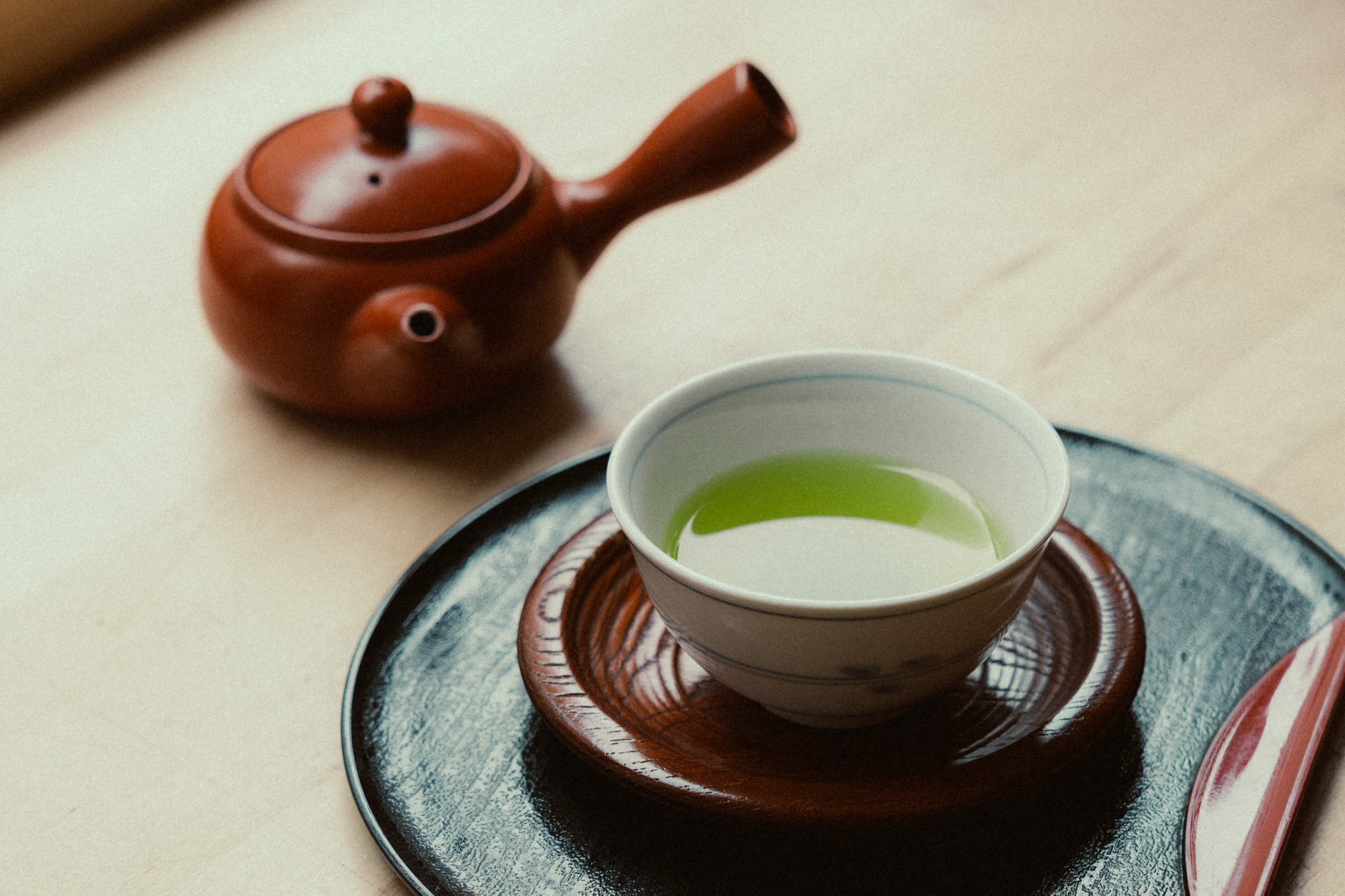
The most-consumed tea in Japan isn't ceremonial matcha — it's sencha, the everyday green tea poured in homes, offices, and restaurants across the country.
Sencha is made from whole tea leaves that are steamed soon after harvest to stop oxidation, preserving their fresh, grassy character. The leaves are then rolled into tight needles and dried. When steeped in hot water (not boiling — that would turn it bitter), they unfurl into a pale golden-green liquor with a delicate balance of sweetness, umami, and a gentle astringency that cleanses the palate.
What makes sencha distinct is that steaming step. Unlike Chinese green teas, which are pan-fired, Japanese sencha is steam-processed, giving it a softer, more vegetal flavor — think fresh-cut grass, young edamame, a hint of the ocean. It's the flavor of spring mornings and quiet afternoons.
In daily life, sencha is poured without ceremony but with care. It's offered to guests as a gesture of hospitality, sipped during work breaks, paired with wagashi sweets or a simple rice cracker. It doesn't demand ritual, but it invites presence — a few moments to pause, to notice the color in the cup, the warmth in your hands.
There are many grades of sencha, from the delicate first-flush shincha harvested in early spring to robust everyday blends. But all share that essential Japanese tea character: clean, bright, alive.
If matcha is the formal introduction to Japanese tea, sencha is the long conversation that follows.
What Sencha Is: Japan's Most Popular Green Tea
- Sencha is a steamed green tea made from the first or second flush of tea leaves, accounting for about 80% of Japan's tea production
- Unlike matcha (powdered) or gyokuro (shade-grown), sencha leaves grow in full sunlight and are infused whole, then discarded
- The name 'sencha' (煎茶) means 'infused tea,' referring to the brewing method that became widespread in the Edo period
- It delivers a balanced flavor profile: grassy, slightly astringent, with natural sweetness and umami—refreshing without bitterness when brewed correctly
How Sencha Is Made: From Field to Cup
- Tea leaves are harvested in spring (first flush, or 'shincha') and summer, with spring leaves prized for their delicate sweetness
- Immediately after picking, leaves are steamed for 30–40 seconds to halt oxidation, preserving the bright green color and fresh vegetal character
- Leaves are then rolled, shaped, and dried into thin, needle-like strands—this shape helps control the release of flavor during brewing
- The steaming process distinguishes Japanese sencha from Chinese green teas, which are typically pan-fired and yield a different flavor
Sencha in Daily Life and Tea Culture
- Sencha is the everyday tea of Japan—served at home, in offices, at restaurants, and during casual social moments
- It bridges the gap between ceremonial matcha and simple refreshment, embodying the Japanese aesthetic of finding beauty in the ordinary
- Brewing sencha mindfully—paying attention to water temperature (70–80°C) and steeping time—turns a daily habit into a quiet ritual
- Seasonal variations, especially springtime shincha, are celebrated as markers of renewal and connection to the agricultural calendar
FAQ
Explore the crafts we feature →